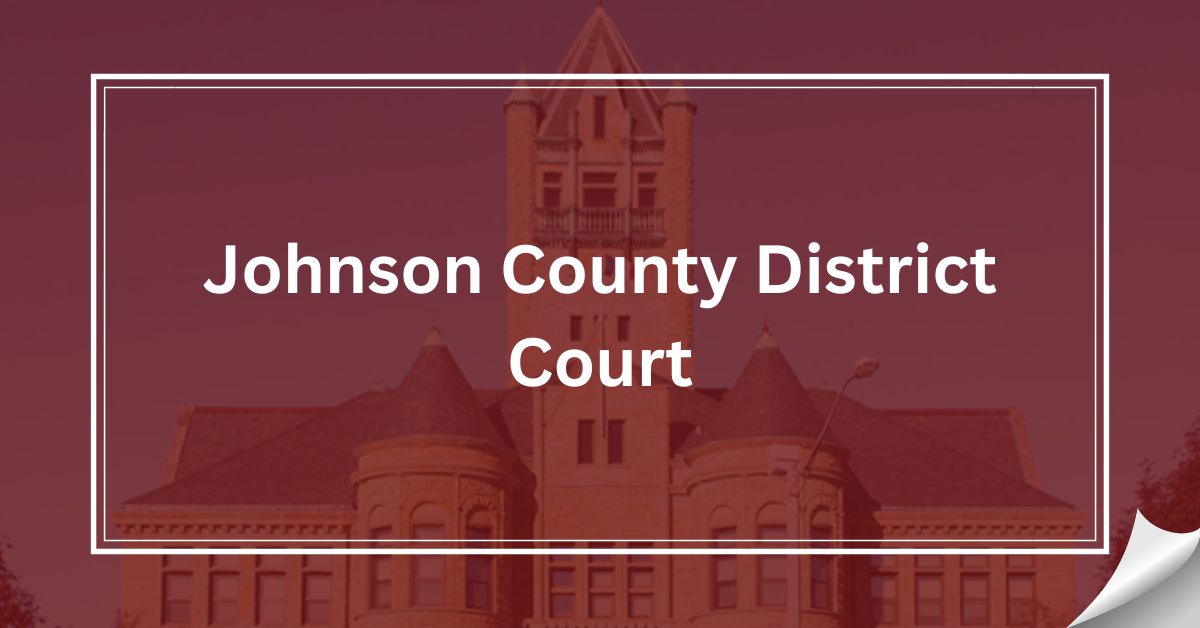
The Johnson County District Court serves as the main trial court for a wide range of cases across the county. People turn to this court for matters that shape everyday life, including civil disputes, criminal charges, family cases, juvenile issues, and probate concerns. It plays a central role in resolving conflicts, protecting rights, and supporting public safety. The court operates separately from the Clerk of Court, which manages records and filings, and from municipal courts, which handle city-level violations. This structure helps residents know where to go for each type of need and keeps the process clear from the start.
Many users visit this court to search active cases, download forms, or reach a specific division. Quick links to case lookup, court forms, court divisions, and contact details make the process smoother. Each section offers direct steps that help you move forward without confusion. Whether you want to track a filing, prepare documents, or find the right office, this overview points you in the right direction and saves time.
What is the Role of the Johnson County District Court
The Johnson County District Court serves as the primary trial court for the county. It handles a broad range of issues that affect daily life, from civil disputes and criminal proceedings to family matters and probate actions. The court’s purpose is to provide a fair place where cases can be heard, reviewed, and resolved. People often visit this court to file cases, attend hearings, or follow up on ongoing matters, so clear information helps them feel more prepared and confident.
This court plays a central part in the justice system across Johnson County. It manages filings, schedules hearings, and oversees trials for many case types. Its work supports public safety, property rights, and legal protections. Many visitors arrive with questions about who oversees their case, where to go, or what steps come next. This section aims to make those topics easier to understand, especially for first-time users.
What the District Court Covers
The District Court has authority over several major case categories.
- Civil cases: contract disputes, protection orders, property issues, and personal injury claims
- Criminal cases: misdemeanor and felony charges
- Probate cases: wills, estates, and guardianship matters
- Juvenile cases: child protection, truancy concerns, and youth offenses
Each category follows court rules, hearing procedures, and timelines that help move cases forward.
Trial-Level Responsibilities
At its core, the court serves as the place where evidence is reviewed, testimony is heard, and decisions are made. It handles motions, pretrial hearings, trials, and sentencing. Court staff coordinate calendars, manage filings, and support judges during active cases so the process remains clear and organized for everyone involved.
Judges, Magistrates, and Court Divisions
Cases move through different divisions depending on the issue. Judges and magistrates review filings, set hearing dates, and issue rulings. Some divisions focus on family matters, while others handle criminal or civil disputes. Each division follows the same legal standards but may use different procedures based on case type. This setup helps the court manage thousands of filings each year with steady progress.
District Court vs. Clerk of Court Responsibilities
Many visitors mix up the District Court with the Clerk of Court, so it helps to know the difference.
- The District Court handles hearings, trials, judicial decisions, and case management.
- The Clerk of Court maintains records, collects fees, processes filings, and provides copies of documents.
Put simply, judges make decisions and move cases forward, while the clerk handles paperwork, forms, and public access to court files.
Court Location, Divisions & Office Hours
Finding the correct district court location and knowing when each division is open can save you a lot of time. This section gives you the address, directions, division details, and the best hours to visit so you can plan confidently.
Main Courthouse Address
The courthouse sits near major city routes, making it easy for visitors to reach by car or public transit. Parking lots and nearby street spaces are available on most weekdays. Those who need wheelchair access will find ramps at the main entrance and elevators inside the building. Clear building signs help you reach each division quickly.
If you rely on GPS, enter the complete courthouse address to avoid being sent to nearby administrative buildings. Landmarks such as the county office campus and the public library make the area simple to spot.
Court Divisions
The Johnson County District Court works through several divisions. Each one handles different case types, so knowing where your issue belongs helps you reach the correct window the first time.
Civil Division
This division handles disputes between parties. Common areas include small claims, contract matters, property issues, and protection orders. Filings are accepted on weekdays during standard court hours.
Criminal Division
This division manages misdemeanor and felony cases. Hearings, arraignments, and pleas are set on a daily schedule. Defendants and attorneys are encouraged to arrive early to clear security and check posted dockets.
Juvenile Division
Cases involving minors—both delinquency and child welfare—are heard in this division. Staff members work closely with families, attorneys, and service agencies. Some hearings may require early check-in due to security procedures.
Probate Division
Estate cases, guardianships, conservatorships, and related matters fall under probate. Many visitors come to file wills, request letters of administration, or ask about next steps after a family member’s passing.
Appellate Pathways
Parties who disagree with a district court ruling may request review in the Kansas Court of Appeals. Some matters may later move to the Kansas Supreme Court. Filing deadlines are strict, so review the appellate rules before preparing documents.
Court Hours & Best Times to Visit
Regular Hours:
Monday–Friday
8:00 AM – 5:00 PM
(Closed on county holidays)
Security officers open the doors a few minutes before business starts. Mornings tend to be the quickest time for general questions and filings. Jury days bring heavier crowds, so arriving early helps you move through security faster.
Civil Cases in Johnson County District Court
Civil cases in Johnson County District Court involve disputes between private parties over money, contracts, property, or personal claims. The information below explains the main types of cases, how the civil process works, and the documents commonly needed to start a lawsuit.
Contract Disputes: Cases involving unpaid invoices, broken agreements, or failure to meet contract terms.
Property Cases: Disputes related to property ownership, boundaries, landlord–tenant issues, or property damage.
Small Claims: A faster process for low-value disputes such as unpaid bills or simple contract and property issues.
Torts / Personal Injury: Claims involving injuries, accidents, negligence, or unsafe conditions where someone seeks compensation.
How Civil Case Filings Work
Civil cases move through structured steps, though timelines vary by case complexity
Filing the Complaint: The plaintiff submits a complaint explaining the dispute and the outcome they want; the court issues a summons.
Serving the Defendant: The defendant must receive the summons and complaint so they have a fair chance to respond.
Pretrial Hearings: Early hearings allow the court to set deadlines, check progress, and review basic issues.
Discovery Process: Both sides exchange documents, request information, and gather evidence to prepare their arguments.
Timelines: Some cases finish in a few months; complex cases may take longer due to evidence and scheduling needs.
Trial: If no settlement is reached, both sides present evidence and witnesses at trial, and a judge or jury makes the final decision.
Required Documents for Civil Cases
Civil filings typically require a few essential documents.
Complaint: Explains the dispute, the legal basis, and the outcome the plaintiff wants the court to order.
Evidence Packets: Includes contracts, photos, emails, statements, bills, estimates, or any documents that support the claim.
Affidavits: Sworn statements used to confirm key facts for either the plaintiff or the defendant.
Criminal Cases in Johnson County District Court
Criminal cases in Johnson County District Court cover everything from misdemeanors to major felony charges.
The court handles arraignments, motions, trials, and sentencing under Kansas law.
Clerks maintain records and process filings to keep each case moving efficiently.
Residents, defendants, and attorneys rely on the court for accurate, timely criminal case information.
Criminal Jurisdiction
Johnson County District Court handles felonies and serious misdemeanors. Cases start with an arrest and first appearance where charges, rights, and bond are explained. From there, the case moves through hearings, plea discussions, trial, and sentencing.
Rights of Defendants
- Defendants have the right to an attorney; court-appointed counsel is available for those who qualify.
- Bond may be set based on charges and criminal history. Some defendants are released with conditions instead of paying money.
Criminal Case Process
- First Appearance: Charges explained; bond decisions made.
- Arraignment: Defendant enters a plea; court sets future dates.
- Motions: Attorneys request rulings on evidence and procedures.
- Hearings: Court reviews evidence issues, bond matters, and case readiness.
- Trial: Includes jury selection, opening statements, evidence, testimony, and verdict.
- Sentencing: Judge may impose jail, probation, fines, community programs, or restitution.
- Appeals: Available when legal errors are claimed; reviewed by higher courts.
Family, Probate, and Juvenile Cases
Residents often search for clear information about family court cases, probate filings, and juvenile matters. This section gives practical details in a simple format so people know what to expect before visiting the courthouse. Each part explains common case types, typical outcomes, and the issues most visitors want solved.
Family Law Cases
Family court cases cover the most personal matters, and people usually want quick answers about timelines and what to expect during hearings.
Divorce hearings : often address property division, support concerns, and future parenting arrangements. The court reviews each request and sets hearing dates based on the issues involved. Many visitors look for scheduling details and what documents they need before their first appearance.
Custody cases : focus on a child’s day-to-day life. The court reviews where the child lives, school schedules, medical needs, and each parent’s role. Parents often ask how to prepare for a custody conference or what evidence helps show daily involvement in the child’s routine.
Child support orders: help cover living costs, medical care, and school needs. The court calculates support based on income, childcare costs, and parenting time. People frequently want to know how to update support amounts when a job changes or a child’s needs shift.
Probate Court Functions
Probate cases address important matters involving property, family responsibilities, and end-of-life documents. The process often feels unfamiliar, so people look for practical steps.
Estates: involve settling a person’s property after they pass. The court confirms the executor, reviews the will, and outlines the steps for distributing belongings, paying debts, and notifying interested parties.
Wills: are reviewed for accuracy and validity. Many visitors ask what happens if a signature is missing or if the will was updated without proper witnesses.
Guardianship: cases help protect adults or minors who cannot manage personal or financial needs on their own. The court may request medical reports, personal statements, or financial summaries. Families often want to know how long the appointment lasts and what duties the guardian must follow.
Clear instructions about forms and timelines help reduce delays in these cases.
Juvenile Court Cases
Juvenile matters require careful handling, especially since the court focuses on safety, growth, and long-term stability for minors. People often search for straightforward answers about case types and privacy rules.
Delinquency matters: involve actions that would be crimes if an adult committed them. Hearings look at school attendance, family structure, and community programs that may support the youth.
Minors in need of care: include children facing neglect, unsafe living conditions, or lack of basic support. The court may involve social services and create plans to help stabilize the home.
Confidentiality limitations: protect minors. Most case details are restricted, and record access is limited to parents, legal representatives, or approved agencies. Many visitors ask why online records for juvenile cases are unavailable, and this privacy rule is often the reason.
How to File a Case at the District Court
Filing a case at the district court starts with gathering the right documents and choosing the method that fits your needs. The filing process can feel new for many people, so this section walks you through each step in a simple way. The filing process keywords appear naturally to support search visibility while keeping the writing clear and useful.
Preparation
Start by clarifying the type of case you want to file. Civil, criminal, traffic, and family matters each follow slightly different requirements, so knowing your category helps you collect the right forms. Bring any supporting documents, including copies of contracts, police reports, photos, medical records, or written statements. Keep your paperwork organized so you can move through the filing process with less stress.
Required Forms
Each case type requires its own set of forms. The district court website usually lists them by category so you can download and print what you need. Many forms include instructions at the top, which make it easier to fill them out correctly. Use black ink, follow the prompts, and sign where required. Missing signatures or skipped fields can slow your case.
Submission Options
You may choose between two filing methods:
E-Filing:
This option helps you submit your documents online through the court’s portal. You upload your forms, attach evidence, and pay the filing fee. The system sends a confirmation once your case is accepted.
In-Person Filing:
Visit the district court clerk’s office during posted hours. Bring your documents and present them to the clerk for review. They will stamp and record your case after payment is made. This option works well for people who prefer direct help or have questions about their forms.
Costs & Filing Fees
Costs for filing at the district court depend on the type of case and the services you need. Civil filings often fall in a moderate price range, while family and probate matters can cost more because of added steps. Extra charges may appear for certified copies, mail service, or sheriff delivery. Some people can request a fee waiver if they cannot pay upfront, and the court reviews each request before deciding.
Fee Ranges by Case Type
Filing fees vary based on the case. Civil filings usually run in a moderate range, while family or probate cases sometimes cost more. Criminal cases involve a different structure, which may include fines that appear later. The court’s fee schedule lists current costs and updates them from time to time.
Additional Charges
Extra expenses may appear if you need certified copies, sheriff service, mailing fees, or transcript copies. These charges depend on the service you request and the number of pages involved.
Fee Waivers
Some filers qualify for help with costs. You may request a fee waiver if you face financial hardship. The court reviews each request and gives you a written decision. If approved, your filing can move forward without payment at the start.
Processing Times & Case Timeline Expectations
Case timelines depend on the type of matter, the number of parties involved, and the court’s schedule. Simple civil cases may move faster, while complex disputes take longer. After you file, the court assigns a case number and sets the first important date. You may receive notices by mail or through the online system. Keep an eye on these updates so you do not miss hearings or deadlines.
Case Lookup for Johnson County District Court
Finding up-to-date information through the district court case lookup tool helps users stay informed about upcoming hearings, case numbers, and party details. The search system gives quick access to basic records for many civil and criminal matters in Johnson County. The goal is to give people clear information without legal jargon so they can prepare, follow a case, or confirm dates with confidence.
What Case Information Is Available
The case search Johnson County system gives access to several useful details that help people understand the status of a case and what comes next. The information below usually appears once a valid case number or party name is entered:
Court Dates
The lookup tool displays scheduled hearing dates, time slots, and the courtroom where the hearing is set. This helps users check schedules, plan their day, and avoid missed appearances.
Case Numbers
Each matter in the district court has a unique number. The lookup tool shows the full case number so users can reference it on forms, payments, or future searches.
Party Details
Basic names of involved parties may appear in the results. This allows users to confirm they are viewing the correct record before checking other sections of the case.
Limits & Restrictions
While the lookup system is helpful, some case types stay out of public view for legal and privacy reasons. These limits protect minors, victims, and confidential information.
Sealed Cases
Cases sealed by court order do not appear in public searches. These records stay hidden by law and are only accessible to approved parties.
Juvenile Cases
Matters involving minors are restricted. The case lookup will not show details relating to juvenile records, hearings, or parties.
Confidential Info
Sensitive data—such as addresses, protected identities, or private filings—is removed from public results. Users may see only general information to protect those involved.
Courtroom Procedures & What to Expect on Court Day
Show respect at all times. Dress neatly, keep your phone silent, and speak only when the judge directs you. Stay calm, listen carefully, and follow instructions from the judge or bailiff.
Dress Code
Wear clean, modest clothing similar to what you’d wear to a formal meeting. Avoid shorts, tank tops, flip-flops, or anything with offensive wording or graphics.
Electronic Devices
Phones and tablets must stay silent and put away. Recording is usually banned. Security may ask you to power off your device. If a device is needed for evidence, follow your attorney’s or the judge’s instructions.
Before the Hearing
Arrive early to pass security and locate your courtroom. Bring ID, your notice, and any required documents. Check in with the clerk or bailiff. Meet with your attorney if you have one; if not, organize your notes and wait for your case to be called.
During the Hearing
Listen closely to the judge. Speak clearly, stay on topic, and be respectful. Present documents only when instructed. Most hearings are brief, so pay attention to any orders, deadlines, or next steps announced.
After the Hearing
Ask the clerk or bailiff if you need printed copies of the judge’s order. Some orders are posted online. Read the order carefully to avoid missing any required dates or actions.
District Court Judges & Divisions Directory
The judge directory helps visitors understand who oversees each division of the Johnson County District Court. This section gives quick access to leadership roles, division duties, and the basic process the court uses to place cases. The goal is to help people find the right division and reduce confusion about how decisions are assigned.
Judges & Magistrates
The district court features a team of judges and magistrates who manage different case types. Each member handles a specific workload so cases move steadily through the system.
Generalized Profiles
- District Judges: hear civil, criminal, family, and probate matters. They manage trials, rule on motions, and issue final decisions. Most have long experience in legal practice and public service.
- Magistrate Judges: focus on preliminary hearings, bond decisions, protective orders, and lower-level matters. Their role supports the court’s schedule by handling urgent or early case steps.
- Division Leads: oversee scheduling and administrative support for their assigned areas. They coordinate with clerks and attorneys to keep cases on track.
Division Responsibilities
Each division handles a certain group of cases so users know where to start:
- Civil Division: contract disputes, personal injury, small claims, and landlord-tenant matters.
- Criminal Division: felonies, misdemeanors, arraignments, and sentencing.
- Family Division: divorce, child support, parenting plans, and guardianship.
- Probate Division: wills, estates, conservatorships, and related filings.
- Juvenile Division: youth offenses and child welfare matters.
This structure helps residents reach the right office without extra steps or delays.
How Cases Are Assigned
The court uses a fair and predictable system for assignment so each case gets a neutral and qualified decision-maker.
Random Assignment
Most new cases are placed through a random process. This keeps the workload balanced and prevents anyone from choosing a specific judge. Users can expect a consistent process that treats all cases the same.
Rotation Schedule
Judges rotate through certain duties on a set schedule. This schedule spreads time-sensitive work across the team. For example, one judge may handle emergency orders one month, while another manages first-appearance hearings. This rotation helps the court stay responsive during busy periods.
Support for Self-Represented Litigants
Handling a case without an attorney is common, and the court allows filings from self-represented (pro se) users. With basic guidance and the right resources, you can manage each step more confidently and avoid mistakes that delay your case.
Resources Available
Many people handle their own cases successfully with the help of clear instructions and simple tools offered by the court and local partners.
Help Centers
Local help centers provide basic guidance on forms, procedures, and court rules. They cannot give legal advice but can explain paperwork, filing steps, and where to find official instructions. Walk-in support or limited-hour assistance is often available.
Self-Help Materials
Guides and packets outline the required forms, deadlines, and steps for common case types. These materials keep you organized and reduce confusion.
Workshops & Walk-Throughs
Courts and partner programs offer short sessions on filing basics, responding to motions, preparing for hearings, and understanding courtroom expectations. These sessions help you avoid simple mistakes and ask general questions.
Common Mistakes to Avoid
- Incomplete forms or missing attachments
- Missed deadlines
- Wrong case number or missing contact information
- Hard-to-read documents or missing signatures
- Bringing evidence without labels or extra copies
Review your forms carefully, keep documents organized, and submit everything on time to help your case move smoothly.
How to Prepare Your Case Without an Attorney
You can prepare your case step by step even without legal representation. A clear plan keeps your case organized and reduces stress.
Learn the Basics of Your Case Type
Start by reading official instructions provided by the court. Review the required forms, deadlines, and filing fees. Knowing the steps ahead helps you avoid surprises.
Keep Your Documents Organized
Create a folder—either digital or paper—to store everything related to your case. Keep copies of all filings, receipts, notices, and evidence. Label items clearly so you can find them quickly during hearings.
Write Clear and Direct Statements
Courts value simple language. Present facts in a straightforward way, avoid long explanations, and stay focused on the issue the judge needs to decide.
Prepare for Your Hearing
Practice explaining your position in a brief, logical order. Bring copies of evidence for the judge and the other party. Plan to arrive early so you have time to check in and settle before your hearing begins.
Use Self-Help Tools Regularly
Case lookup pages, sample forms, and online instructions keep you informed. Checking these resources often prevents missed updates and helps you stay on schedule.
Contact the Johnson County District Court
If you need to reach the Johnson County District Court, here’s the key contact information — by phone, mail, or email — for different court divisions. Use the section below that best fits your situation.
Phone Numbers
Here are direct lines for different case-types in the Johnson County District Court (10th Judicial District):
- Civil: (913) 715-3500 Kansas Judicial Center+2Chamber of Commerce+2
- Criminal: (913) 715-3500
- Probate (Estate / Guardianship): (913) 715-3500
- Family (Divorce, Child Custody, Support): (913) 715-3500
Mail & Email Info
Address (Mailing):
Johnson County Courthouse
150 W. Santa Fe Street
Olathe, KS 66061
Email / Help Center:
- Self-Help Center Email: DCC-Helpcenter@jocogov.org
- For general court or clerk inquiries: jimsweb@jocogov.org
Fax:
(913) 715-3401
Additional Contact Points
- Hearing Office (e.g., child support, parenting time):
Phone: (913) 715-3668 or (913) 715-3669
Email: hearing-officers@jocogov.org
Location: 1st Floor, Suite 1300, 150 W. Santa Fe St., Olathe, KS 66061 - Self-Help Center (for pro se litigants):
Phone: (913) 715-3385
Address: 150 W. Santa Fe St., Olathe, KS 66061
Frequently Asked Questions
This section answers common questions about case lookup, filing steps, court-day expectations, costs, scheduling, and judge assignments. It aims to give quick, clear help so users can move forward with confidence.
How do I use the Johnson County Court case lookup tool?
You can search cases by name, case number, or filing date. Start by entering the details you already have. If your search shows no results, check spelling or try a wider date range. Some sealed or confidential cases will not appear. If the tool loads slowly, refresh the page and try again.
What should I prepare before filing a case?
Gather your completed forms, IDs, and any supporting documents. Make sure your forms are filled in correctly to avoid delays. Keep digital copies ready if the filing system accepts online submissions. Staff may not give legal advice, but they can point you to the right form or department when you arrive.
What should I expect on my court day?
Bring your ID, case number, and any documents you plan to present. Arrive early to pass through security and find your courtroom. Check the posted docket screens or ask staff for help if you’re unsure where to go. Phones must stay silent, and most courtrooms restrict calls or recordings. Dress respectfully and stay alert for your name to be called.
What costs should I plan for?
Filing fees vary by case type. Extra charges may apply for copies, certified records, or service of process. Payments usually include cash, card, or money order. If you cannot pay upfront, ask about fee-waiver options and required forms.
How do I schedule a hearing?
Many hearings are assigned when your case is filed, but some need a separate request. Contact the division handling your case or use the online calendar request system if one is available. Provide your case number and preferred dates so staff can match the schedule. You will receive a confirmation notice once your hearing is set.
How are judges assigned to cases?
Assignments follow the court’s internal rotation or division rules. You cannot pick a judge, though your case may shift if a conflict of interest appears or if the court updates its rotation. To check your assigned judge, review your case file or use the case lookup tool.
What if I cannot find my case or need more help?
Missing cases often involve spelling errors, recent filings not yet updated, or sealed records. Try searching with fewer details or by case number only. If the issue continues, contact the clerk’s office for technical help or confirm that your filing was processed.